

Who should not use a jetted walk-in tub? The cautions, with their sources
Direct answer: most of the risk comes from the heat, not the jets. Ask a doctor before using a jetted tub if you have heart disease, blood pressure that drops when you stand or fainting spells, diabetes with numb feet, open wounds or a skin infection, take medicines that make you drowsy, are pregnant, or could not get out of the tub alone. Skip alcohol before a soak, keep the water at or below 100°F, and never above the 104°F limit the CPSC sets for spas.
Reviewed October 15, 2026. General information, not medical advice. Sources are listed at the end of the page.
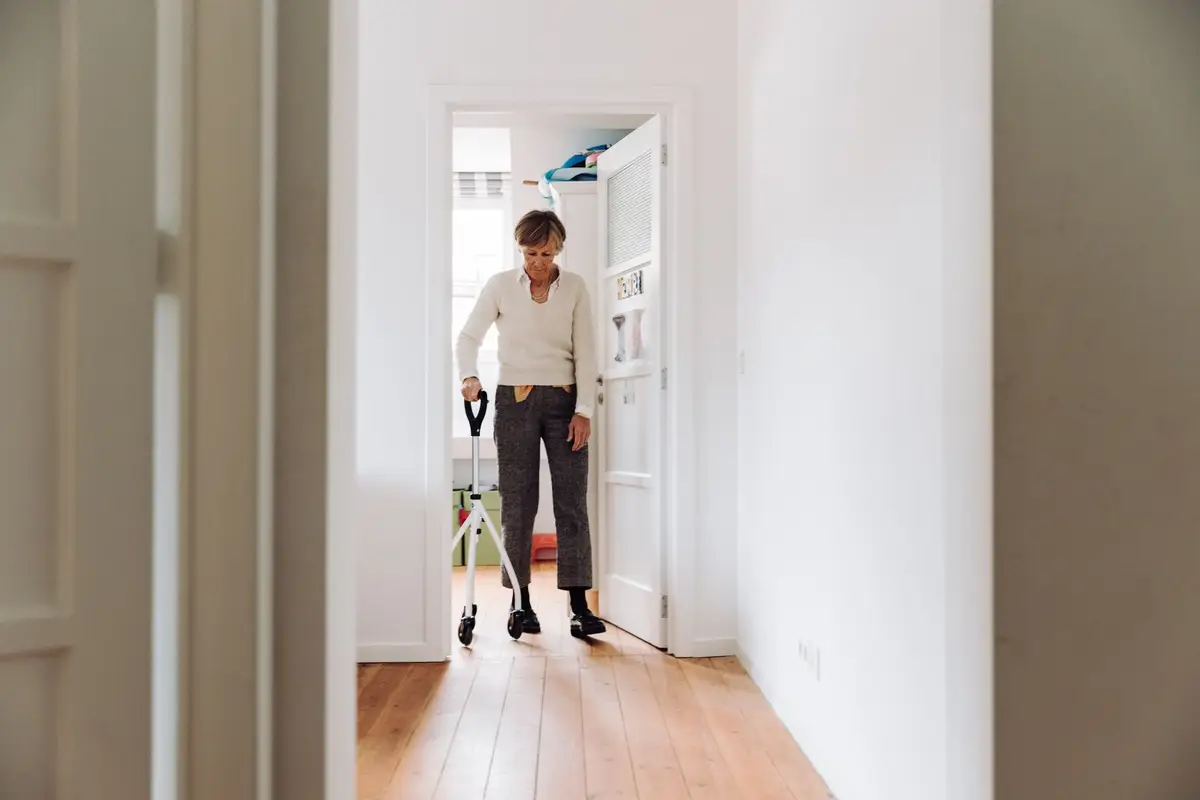
Every walk-in tub maker prints a list of warnings in the owner’s manual, and most people never read it. We sell these tubs, so we would rather you read it before you buy. Below, each caution is paired with where it comes from: the manufacturer’s own manual, a federal agency, or a published study. Where the evidence is thin, we say so.
The cautions, one by one
Heart disease, heart failure or a recent heart event
Why it matters: warm water widens blood vessels near the skin, so blood pressure falls and the heart works differently to keep up.
What the sources say: Ella’s Bubbles tells anyone with a heart condition to consult a physician before using the tub. The U.S. Consumer Product Safety Commission has long advised people with heart disease, circulatory problems, diabetes or blood pressure problems to get a doctor’s advice before using hot tubs, and the Arthritis Foundation warns against water that is too hot for people with heart problems.
What to do: ask your cardiologist about water temperature and soak length before the first bath, not after.
Blood pressure that drops when you stand, or fainting spells
Why it matters: the risky moment is often standing up at the end. Blood has pooled in warm, relaxed vessels, and a quick stand can leave you dizzy on a wet floor.
What the research shows: in a 2023 study in Experimental Physiology, 30 healthy adults sat in 39°C (102°F) water for two 30-minute sessions. Afterward, blood pressure dropped on standing in 94% of the middle-aged group and 77% of the young group, and balance was briefly worse in both. It recovered within about 10 minutes. A smaller 2003 study in the Canadian Medical Association Journal found that 10 minutes in a 40°C (104°F) hot tub lowered systolic pressure in people with treated high blood pressure from an average of 144 to 122, with no dizziness reported; the authors judged 10 minutes safe for most treated patients.
What to do: stay seated while the tub drains, sit a minute longer, then stand slowly using the grab bar. The National Institute on Aging notes that people taking beta blockers are more likely to feel faint in heat, so mention your blood pressure medicines to your doctor.
Diabetes with reduced feeling in the feet
Why it matters: nerve damage can hide a burn. The National Institute of Diabetes and Digestive and Kidney Diseases (NIDDK) warns that people with diabetic nerve damage may burn their feet and not know it, and advises testing water with a thermometer or your elbow rather than your feet.
What to do: keep a floating bath thermometer in the tub and read it every time. Check your feet for redness after the bath.
Medicines that cause drowsiness, sleep aids, and alcohol
Why it matters: warm water already makes people sleepy. Add a sedating medicine or a drink and the risk of dozing off in the water rises.
What the sources say: Ella’s manual tells people taking medications, herbal remedies or sleep aids to consult a physician first, and to avoid alcohol, drugs or other medications while bathing. CPSC guidance warns that drinking while using a spa can lead to drowning, and its 1979 hot tub warning named tranquilizers, antihistamines and anticoagulants as reasons not to use a hot tub.
What to do: bring your medicine list to your doctor or pharmacist and ask the question directly. Bathe before the evening sleeping pill, not after.
Open wounds, skin infections or very fragile skin
Why it matters: MedlinePlus, from the National Library of Medicine, describes hot tub folliculitis, a rash caused by bacteria that survive in hot tub water. A walk-in tub is drained after every bath, but water-jet plumbing holds a little water between uses, which is why makers ask for regular flushing. Firm water jets can also bruise thin skin.
What to do: ask your doctor or wound nurse before soaking an open wound. Keep the jets flushed on schedule (see how to clean the jets). If your skin bruises easily, air jets are the gentler choice.
Pregnancy
Not the usual walk-in tub buyer, but these tubs are often shared by a household. Ella’s manual says pregnant women should not use the tub before consulting their physician. The CPSC’s 1979 warning said water above 102°F could harm a developing baby in the first three months and recommended a 100°F maximum during pregnancy.
Dementia, seizures, or anyone who could not get out alone
Why it matters: a walk-in tub door cannot open until the water drains, so a bather who becomes confused or unwell has to wait. Ella’s manual says children and persons with disabilities should use the tub only with an able-bodied adult supervising at all times.
A sobering data point: Japan, where deep hot baths are a daily habit, recorded 99,930 bathtub drowning deaths at home from 1995 to 2020, most often among people aged 80 to 84 and most often in January (Tai and colleagues, Journal of Epidemiology, 2025). Japanese bathing customs differ from an American walk-in tub, but the lesson carries over: an older person alone in hot water is at real risk.
What to do: someone else at home during the bath, a phone within reach, and a lower water temperature.
Right after hard exercise, or when you already feel overheated
Ella’s manual warns that hyperthermia, a rise in body temperature, can cause dizziness, lethargy, drowsiness and fainting, and tells owners to avoid the heated bath after strenuous activity and not to stay submerged for long periods. Cool down first.
Recent surgery, including a joint replacement
Your surgeon decides when an incision can be soaked. Follow those instructions over anything on this page, including ours.
Three temperatures worth knowing
Sources do not agree on one number, so here are the three that matter, from coolest to hottest.
| Temperature | What it is | Source |
|---|---|---|
| 92–100°F | A healthy range for a warm soak; avoid water that is too hot with heart problems | Arthritis Foundation |
| 100.4°F (38°C) | Above this, water “may be harmful to your health” | Ella’s Bubbles owner’s manual |
| 104°F | The most spa water should ever reach | U.S. Consumer Product Safety Commission |
Use a thermometer, not your hand. Our bath thermometer check tells you where a reading falls.
Heat or jets: which part is the problem?
Almost every caution above is about warm water: blood pressure, drowsiness, burns, overheating. Turning the jets off does not remove those risks; a cooler, shorter bath does. The jets bring a few risks of their own:
- Pressure on fragile skin. A water jet aimed at thin skin or a bruise-prone shin can do harm. Air jets are much gentler.
- The suction cover. The water pump pulls hard through a cover low in the tub. Ella’s manual says never to run the jets with that cover off. Keep long hair up.
- Water left in the pipes. Water-jet plumbing holds a little water between baths, so it needs a regular cleaning flush. Air channels purge themselves.
So someone told to avoid hot baths should avoid the soak itself, jets or not. Someone with fragile skin may do well with air jets in warm water. If jets are off the table for you, a plain soaker with a heated seat still gives you the safer step-in. Our air vs water jet guide compares the two systems.
A safer first bath
- Tell someone you are taking a bath, and keep a phone within reach.
- Check the water with a thermometer. Aim for 92 to 100°F.
- Keep the first soak short, about 10 minutes, and build up only if you feel well afterward.
- Drink some water before and after. No alcohol.
- Stay seated while the tub drains, then sit one more minute.
- Stand slowly, holding the grab bar, and step out onto a non-slip mat.
Get out and get help if you feel dizzy, short of breath, chest pain, confusion or a racing heart. Open the drain, stay seated, and call for help. Never open the door to a full tub.
Questions to take to your doctor:
- Is a warm soak safe with my heart, blood pressure and medicines? At what temperature, and for how long?
- Should I avoid water jets on any part of my body?
- Do any of my medicines make me drowsy or more likely to faint in heat?
- Can my skin, wound or incision be soaked yet?
Want a second opinion on a jetted tub?
Tell us about your bathroom and what hurts. A specialist from Aging Safely Baths will give you an honest written quote. There is no deadline and no pressure, and you are welcome to compare us with anyone.
Questions people ask
Can someone with high blood pressure use a jetted walk-in tub?
Often yes, with a doctor’s okay. A 2003 study found 10 minutes in 104°F water lowered blood pressure in people with treated hypertension no more than in people without it, and none felt dizzy. The bigger risk is standing up too fast afterward, so stand slowly.
Are air jets safer than water jets?
For skin, yes: air jets are gentler and have no strong suction. For heart, blood pressure and drowsiness, no: those risks come from the warm water, so the jet type makes little difference.
How long can a senior safely soak?
There is no single safe number. Studies of older and treated-hypertensive adults used about 10 minutes, and many people start there. Ella’s manual warns against staying submerged in heated water for long periods. Ask your doctor for your own limit.
Is a jetted tub safe for someone with dementia?
Only with another adult supervising the whole bath. Ella’s manual requires supervision for persons with disabilities, and the door cannot open until the tub drains, so the bather cannot simply get out if they become upset or unwell.
Sources
- Ella acrylic walk-in bathtubs owner’s manual (rev. 03/18), Caution and Danger sections.
- U.S. Consumer Product Safety Commission, CPSC warns of hot tub temperatures (release 79-071), and CPSC pool and spa guidance (keep spa water at or below 104°F; alcohol and drowning).
- Steward CJ et al. The effect of age and mitigation strategies during hot water immersion on orthostatic intolerance and thermal stress. Experimental Physiology 2023;108:554–567.
- Shin TW, Wilson M, Wilson TW. Are hot tubs safe for people with treated hypertension? CMAJ 2003;169:1265–1268.
- National Institute on Aging, Hot weather safety for older adults.
- NIDDK, Diabetes and foot problems.
- MedlinePlus, Hot tub folliculitis.
- Arthritis Foundation, Heat therapy helps relax stiff joints.
- Tai Y et al. Drowning and submersion deaths in bathtubs and associated factors: a descriptive and ecological study in Japan, 1995–2020. Journal of Epidemiology 2025;35:482–489.